Coworking Space Layouts Promoting Focused Work And Collaborative Engagement Opportunities
People today prefer work settings that help them stay fully focused while still making it easy to work with others. Coworking space planning influences how individuals manage tasks communicate and stay organized each day. A carefully structured layout limits interruptions yet still supports smooth teamwork. It creates a clear flow that helps people handle personal work alongside shared activities without difficulty, making a Coworking Space a positive and efficient choice for modern work.
Dedicated Quiet Work Zones
A clear separation for silent tasks allows individuals to maintain strong attention throughout their work period. These sections are set apart from busy spots to reduce distraction and background sound. People can work with better attention in a quieter setting without frequent breaks in focus. This setup supports clear thinking while keeping the coworking space steady and efficient.
How Can Layout Improve Focus
A thoughtful arrangement supports attention by reducing visual and sound interruptions within shared areas. Clear pathways and defined zones help users understand where to work without confusion. When each section serves a clear purpose, people can stay engaged longer.
Adaptable Space Planning Methods
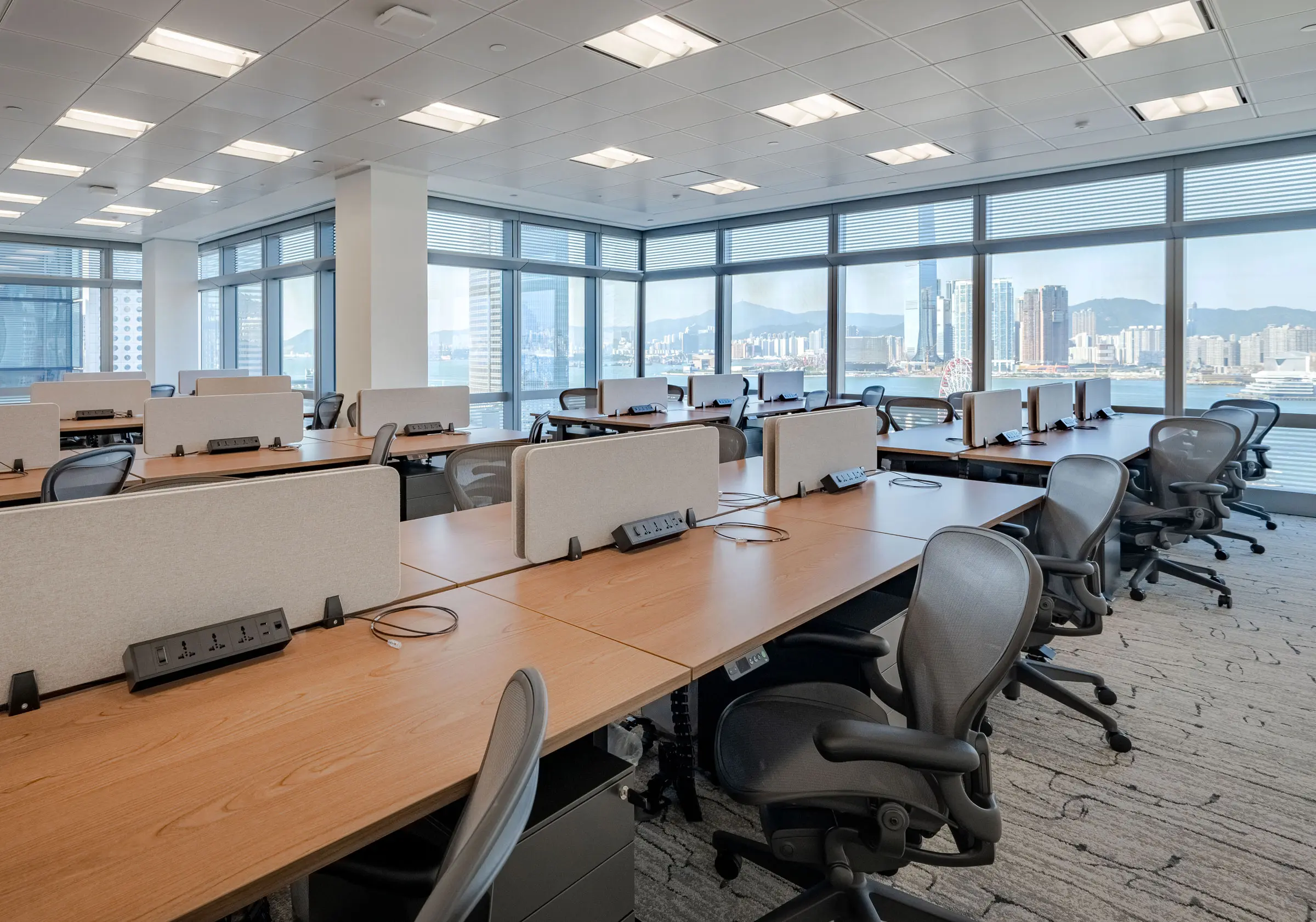
Flexible planning allows users to reshape their surroundings based on their daily tasks and needs. Adjustable elements support both solo work and team interaction without permanent changes.
- Movable seating supports quick change between private work and group tasks
- Foldable tables create extra room when large gatherings need more space
- Portable dividers help form temporary quiet zones without blocking visibility
- Multi-purpose desks allow easy transition between different types of tasks
- Lightweight setups improve ease of rearranging areas for daily requirements
Why Are Interaction Zones Important
Shared sections designed for teamwork help people exchange ideas without disturbing quiet areas. These zones encourage natural communication and support creative thinking among groups. By placing them carefully, noise remains contained while still allowing open exchange. This balance keeps coworking spaces efficient while also promoting collaboration between users.
Smart Lighting And Movement Flow
Lighting and pathway planning shape how comfortable and active a workspace feels during the day. Proper light placement supports clear vision while reducing strain on the eyes. Smooth movement between zones avoids crowding and confusion during busy hours. Applying Coworking Space principles in layout planning helps create a steady rhythm between focus and interaction.
Can Design Influence Team Engagement
Design choices directly affect how people connect and work together within shared settings. Open yet structured layouts make it easier for teams to communicate without disrupting others.
- Open layouts encourage smooth communication among team members during tasks
- Defined zones reduce conflict between quiet work and active discussion areas
- Shared tables help build stronger connection between different working groups
- Comfortable seating supports longer collaboration without causing physical strain
- Balanced spacing improves interaction while keeping distractions under control
A well-arranged environment supports different work styles without causing disruption. Clear zoning adaptable planning and careful placement of shared areas help maintain balance between focus and interaction. When lighting, movement and structure are aligned, users can work smoothly while staying connected with others. Such thoughtful planning creates reliable spaces that remain effective and supportive over time while encouraging both individual effort and group engagement.
促進專注工作和協作互動的共同工作空間佈局
如今,人們更傾向於能夠幫助他們保持專注,同時又能輕鬆與他人合作的工作環境。共享辦公空間的規劃會影響個人管理任務、溝通和維持日常井然有序的方式。精心設計的佈局可以減少干擾,同時又能支援流暢的團隊合作。它創造了清晰的動線,幫助人們輕鬆地處理個人工作和共享活動,從而創造 共同工作空間 對於現代工作而言,這是一個積極且有效率的選擇。
專屬安靜工作區
清楚劃分的安靜工作區域,讓員工在整個工作期間保持高度專注。這些區域與繁忙區域隔開,減少干擾和背景噪音。人們可以在更安靜的環境中更專注地工作,避免頻繁中斷。這種佈局有助於清晰思考,同時保持共享辦公空間的穩定和高效。
版面如何提升專注力
精心設計的佈局可透過減少共享區域內的視覺和聽覺幹擾來提升專注力。清晰的動線和明確的區域劃分,幫助使用者輕鬆找到工作地點。當每個區域都有明確的用途時,人們就能更長時間地保持專注。
靈活的空間規劃方法
靈活的規劃方式讓使用者可以根據日常工作和需求調整周圍環境。可調節的元素既支援個人工作,也支持團隊協作,而無需永久性的改變。
- 可移動座椅方便在個人工作和小組任務之間快速切換
- 折疊桌可在大型聚會需要更多空間時提供額外空間
- 可攜式隔間有助於創造臨時安靜區域,且不會阻擋視線
- 多功能辦公桌方便在不同類型的任務之間輕鬆切換
- 輕巧的配置便於根據日常需求重新佈置區域
互動區域為何重要
專為團隊合作設計的共享區域有助於人們交流想法,而不會幹擾安靜區域。這些區域鼓勵自然溝通,並支持團隊的創造性思維。透過精心佈局,既能控制噪音,又能保持開放的交流。這種平衡既能維持共享辦公空間的效率,又能促進使用者之間的協作。
智慧照明及動線規劃
照明和動線規劃決定了工作空間在一天中的舒適度和活躍度。合理的燈光佈置有助於保持清晰的視野,同時減少眼睛疲勞。區域之間的流暢移動可避免高峰時段的擁擠和混亂。共同工作空間 佈局規劃中的各項原則,有助於在專注工作與互動交流之間建立穩健的節奏。
設計能否提升團隊的參與度?
設計決策直接影響人們在共享環境中彼此連結與協作的方式。既開放又有條理的佈局,能讓團隊成員更輕鬆地進行溝通,且不干擾他人。
- 開放式佈局有助於促進團隊成員在執行任務時的順暢溝通。
- 明確的功能分區能夠減少安靜辦公區與活躍討論區之間的相互幹擾。
- 共用辦公桌有助於在不同的工作小組之間建立更緊密的連結。
- 舒適的座椅設計能夠支援長時間的協作,且不會引發身體疲勞。
- 適當的空間佈局既能增進互動,又能有效控制干擾因素。
一個精心佈置的環境,既能滿足不同的工作風格需求,又不會造成相互幹擾。清晰的功能分區、靈活可變的規劃,以及對共享區域的周密佈局,有助於在專注工作與互動交流之間維持適當的平衡。當照明、動線設計與空間結構實現和諧統一時,使用者便能順暢地開展工作,同時又能與他人保持緊密的連結。這種深思熟慮的規劃能夠創造出可靠且持久有效的空間環境,既能有力地支持個人的專注工作,又能積極地促進團隊的整體參與。